

RT42NF terminates a N line in 50 ohms through a female interface, taking 2 W from DC to 4 GHz.
The compact in-line body is appropriate here: the element dissipates its rated power without needing fins, so the part stays small and unobtrusive on the port.
It is the part you reach for when a transmission has to go somewhere safe: transmitter burn-in, filter alignment, and any test that needs the line to see a clean 50 ohms.
FAQ – What VSWR should I expect? The figure in the specs below is the guaranteed maximum across the band; a healthy termination typically measures better on the bench.
FAQ – Does mounting orientation matter? For the finned bodies, yes: they are rated to convect with the fins vertical. Enclosing one or mounting it against a panel cuts the rating.
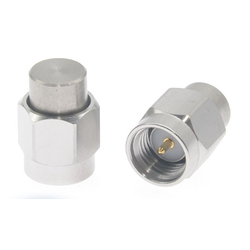
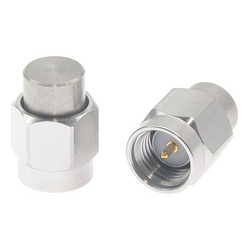
The cylindrical body is the classic bench shape: it screws straight onto the port and needs no mounting hardware.
From DC to 4 GHz the termination holds its VSWR figure; above the limit the match degrades, which matters if you rely on the load to absorb reflected power.
Key numbers: 2 W dissipation; VSWR 1.15:1 max; 50 ohm impedance; DC to 4 GHz; ternary alloy plated brass body.
FAQ – Can it measure power? No, it absorbs power without indicating it. To measure, use a power sensor, or sample the line with a coupler into a sensor.



Reviews
There are no reviews yet.