


Load
425 coaxial loads — terminations — covering DC to 90 GHz and 0.5 W to 1000 W of dissipation. The range runs from small in-line bodies that terminate a spare port to heatsink and anti-pulse loads built for continuous transmit power.
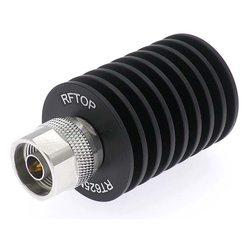
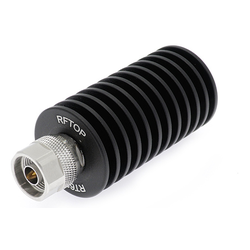
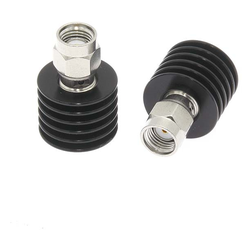
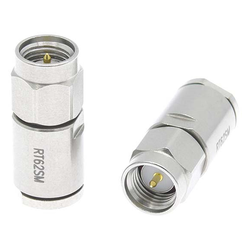
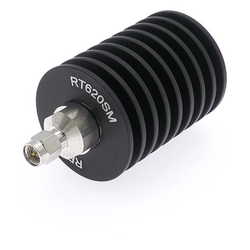
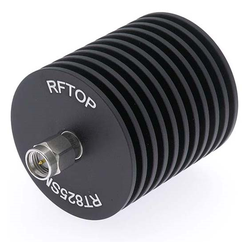
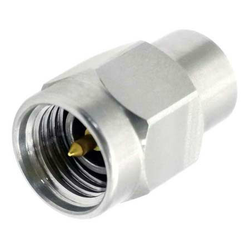
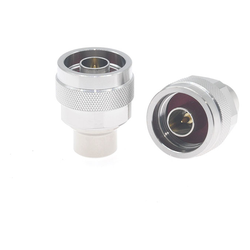
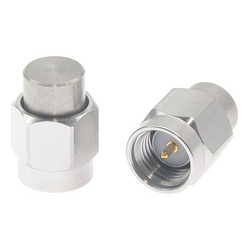
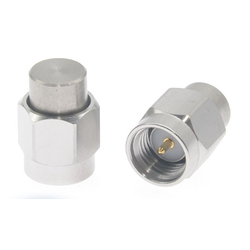
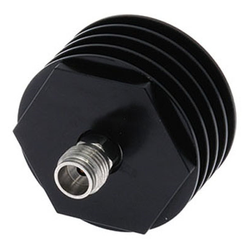
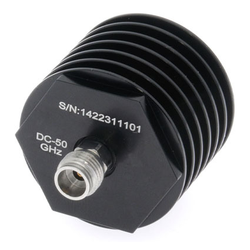
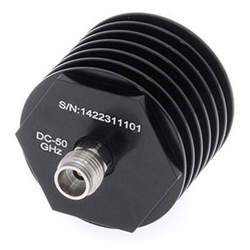
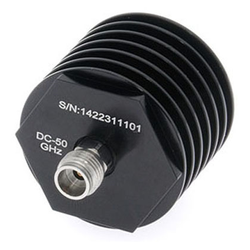
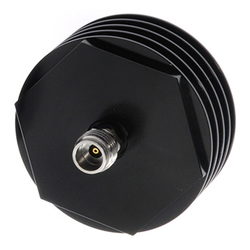
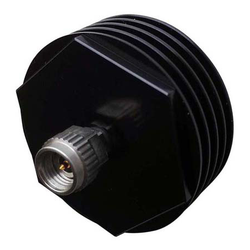
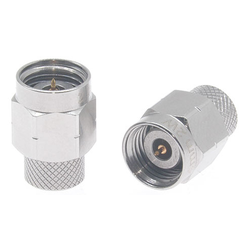
The main families are N Coaxial Load, SMA Coaxial Load, TNC Coaxial Load, 2.92mm Coaxial Load and 4.3-10 Coaxial Load. A load is the simplest component in the catalogue and the easiest to undersize: the electrical job is just 50 Ω to ground, but the thermal job decides whether the part survives. Low-power loads are cylinders that hang off a port; high-power loads are metal blocks with fins.
• Frequency: DC to 90 GHz depending on series
• Impedance: 50 Ω nominal
• Power: 0.5 W in-line parts to 1000 W high-power bodies
• Bodies: round in-line, medium-power heatsink, high-power rectangular, anti-pulse
• Gender: male and female versions in every main series
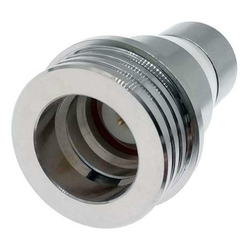
• Interface: SMA, N, BNC, TNC, 2.92 mm, 2.4 mm, 1.85 mm, 1.35 mm, 4.3-10, 7/16, QMA, QN, SMP and SSMP
Terminate every port that is not in use — an open port reflects power back into the system, and a mismatched port is the usual cause of a puzzling measurement. Size from average power, then derate for mounting: a load rated in free air will not hold its rating inside a closed rack.
Frequently asked questions
Load or termination — is there a difference?
No. Both terms describe a 50 Ω resistive element in a connector body that absorbs the power delivered to it. The catalogue uses the two words interchangeably.
How much power can a load dissipate?
From 0.5 W in-line parts to 1000 W high-power bodies. The rating assumes free-air mounting; inside an enclosure, derate substantially or add airflow.
Can a load measure power?
No. A load absorbs power. Measurement needs a power sensor, or a load plus a directional coupler and a calibrated sensor.
See also N Coaxial Load, SMA Coaxial Load, TNC Coaxial Load, 2.92mm Coaxial Load and RF adapter.
Showing 1–40 of 425 results
-
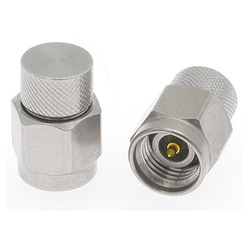
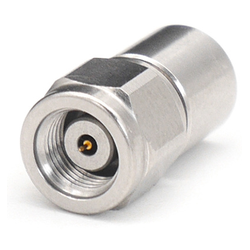
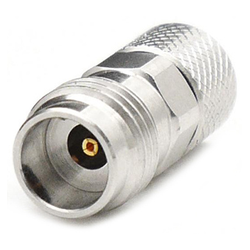
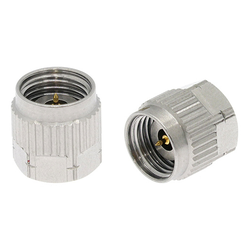
1.85mm Female Millimeter-Wave Coaxial Termination | Ultra, DC-67GHz, 5 W, Round, Passivated Stainless Steel Connector
1.85mm Coaxial Load $2,178.00 -
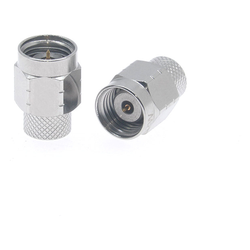
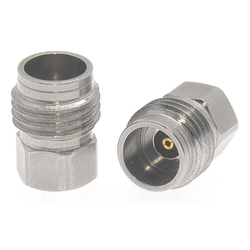
1.85mm Male Millimeter-Wave Coaxial Termination | Ultra, DC-67GHz, 5 W, Round, Passivated Stainless Steel Connector
1.85mm Coaxial Load $2,178.00 -
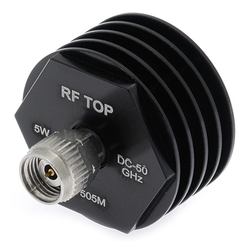
2.4mm Male Millimeter-Wave Coaxial Termination | Ultra, DC-50GHz, 10 W, Round, Passivated Stainless Steel Connector
2.4mm Coaxial Load $1,789.00